Tractor Supply's Role in Charlotte's Sustainable Agriculture Landscape
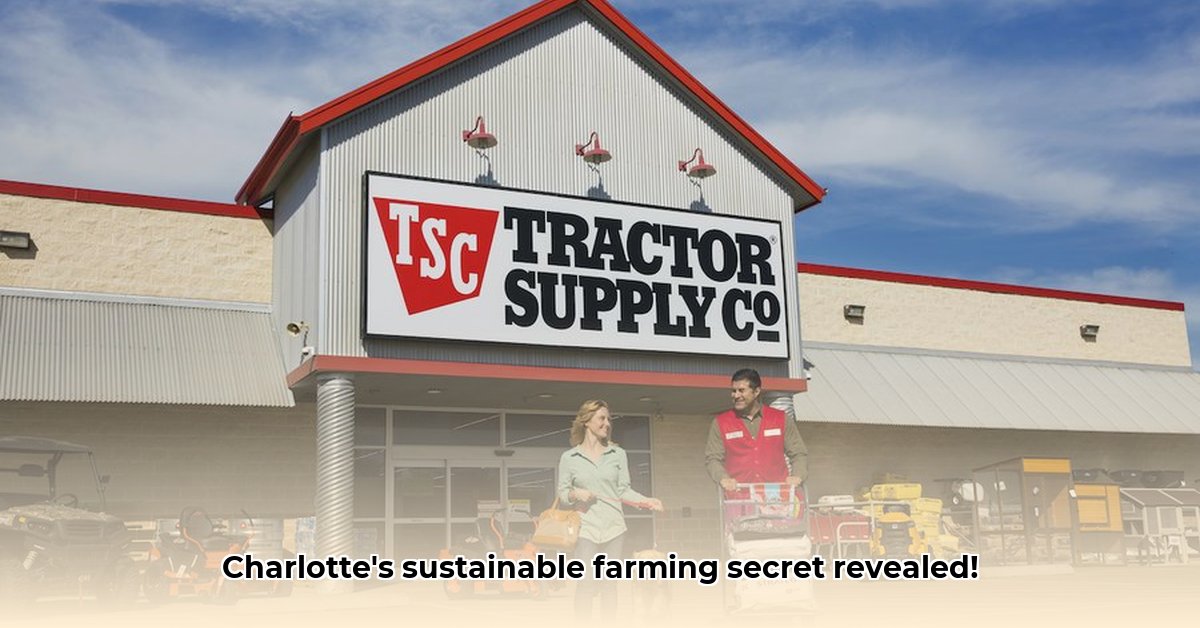
Tractor Supply Company (TSC) in Charlotte, Michigan, serves as a significant retail hub for farmers and gardeners, offering a wide array of products. However, its contribution to sustainable agriculture in the region requires closer examination. While the store stocks items useful for sustainable practices—such as livestock feed, gardening tools, and water-saving equipment—a critical analysis is needed to fully understand its impact. How much of its sales are dedicated to truly sustainable products? What initiatives does TSC undertake to support local, sustainable agriculture projects? This article seeks to shed light on these questions. Are local farmers finding the essential sustainable products they need at Tractor Supply? For a similar example in a nearby town, see the Gaylord store.
Shining a Light on Sustainability: Data Gaps and Opportunities
A comprehensive assessment of TSC's contribution to sustainable farming in Charlotte necessitates detailed data. Specifically, sales figures for eco-friendly products (organic seeds, efficient irrigation systems, etc.) are crucial for quantifying their impact. Currently, a lack of such data prevents a precise evaluation. Furthermore, understanding the sourcing of TSC's products is vital. Are they locally sourced? Are they produced using environmentally sound methods throughout the supply chain? Comparative analysis against other local stores selling similar goods would further strengthen the assessment.
A Roadmap to Success: Actionable Steps for TSC
To enhance TSC's support for sustainable agriculture in Charlotte, a multi-pronged approach is recommended.
Short-Term Goals (Within 1 Year):
- Targeted Market Research: Conduct comprehensive market research to pinpoint the specific sustainable products Charlotte farmers demand. This data will inform inventory management and ensure optimal stock levels.
- Community Engagement Workshops: Organize workshops on sustainable farming techniques, showcasing TSC's relevant product range. Building relationships with local farmers fosters loyalty and improves product feedback.
- Customer Loyalty Program: Implement a loyalty program incentivizing the purchase of sustainable products. This strategy directly rewards consumers for environmentally conscious choices.
Long-Term Vision (3-5 Years):
- Sustainable Branding Initiative: Develop a marketing campaign highlighting TSC's commitment to environmental sustainability and local sourcing. This enhances brand image and attracts environmentally conscious customers.
- Strategic Partnerships: Collaborate with local agricultural organizations to promote sustainable farming practices, creating a synergistic ecosystem.
- Expanded Sustainable Product Range: Significantly expand the selection of organic and sustainably sourced products to meet the evolving needs of local farmers.
- Transparency and Open Communication: Publicly disclose detailed information about the sourcing and production methods of sustainable products, fostering trust and accountability.
- Environmental Stewardship: Support local environmental groups to demonstrate a commitment extending beyond commercial objectives. This cultivates community goodwill and reinforces TSC’s commitment to sustainable practices.
Benchmarking Against Competitors: A Competitive Landscape Analysis
To determine TSC's competitive position in the local market, a detailed competitive analysis is necessary. Comparing sales data with other local businesses (garden centers, feed stores, etc.) provides valuable contextual information. This comparative analysis, coupled with comprehensive customer surveys, will yield a holistic view of TSC's role in supplying sustainable agricultural resources. What percentage of sustainable farming supplies are purchased from competitors, and why?
Data-Driven Decision Making: Refining the Approach
Significant improvements in data collection and analysis are crucial. Tracking sales data for specific sustainable products allows for accurate performance evaluation. Integrating this data with targeted customer feedback will produce data-driven insights for future strategic planning.
Building a Sustainable Future Together
Tractor Supply in Charlotte possesses a unique opportunity to significantly advance sustainable agriculture within the community. By implementing these recommendations, TSC can strengthen its position as a community partner, better serve local farmers, and promote environmentally conscious practices. This approach benefits both the business and the broader community, creating a truly thriving and sustainable future for all. How can TSC further leverage its position to drive positive change in the local agricultural community?